



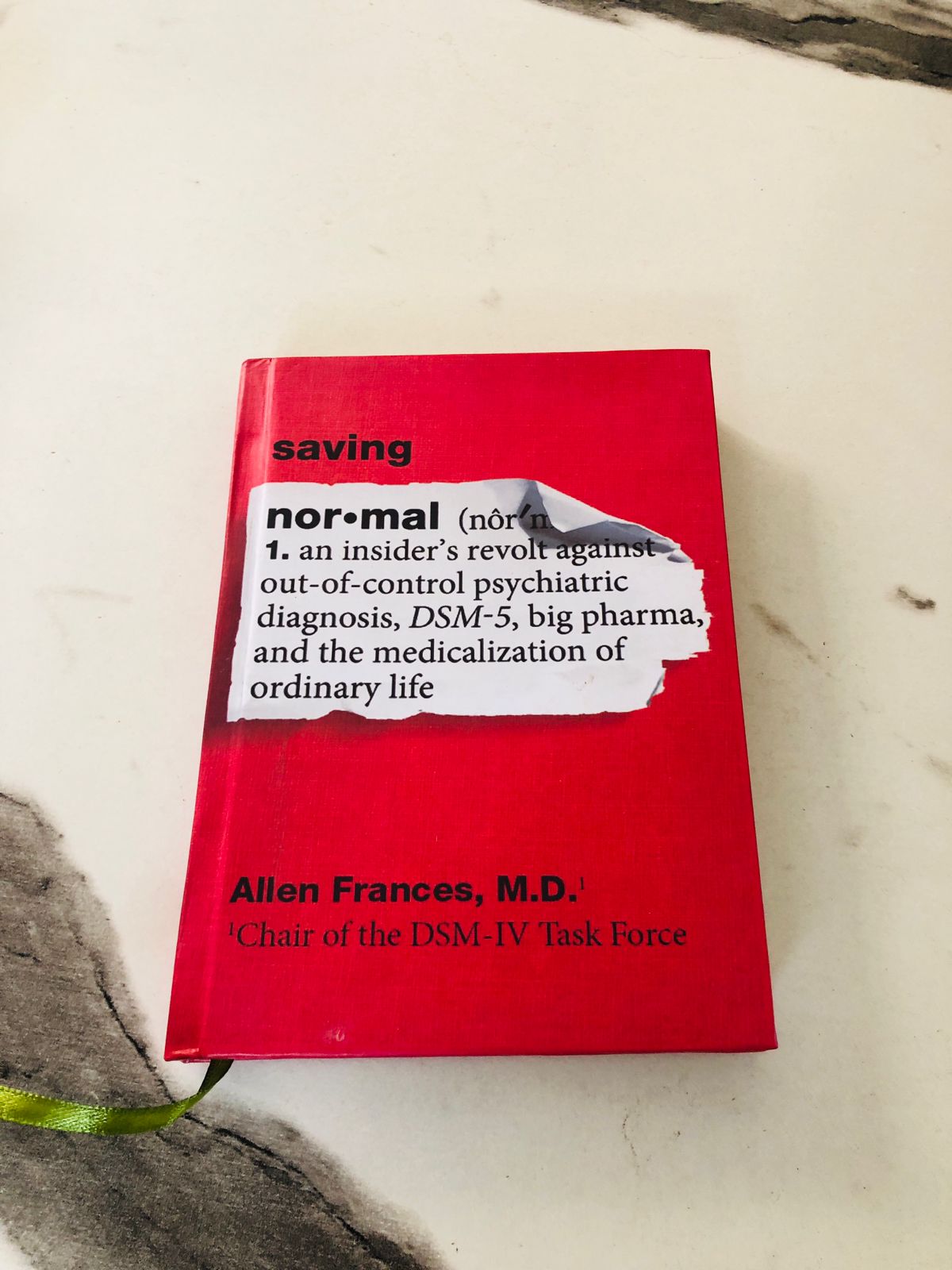
In Saving Normal, Dr. Allen Frances exposes the dangers of overdiagnosis, DSM-5, and Big Pharma’s influence on mental health. A powerful insider’s call to protect the true meaning of normal in a world quick to medicalize everyday life.
Saving Normal – A Powerful Critique of Modern Psychiatry
₨1,200.00
SKU: saving-normal-a-powerful-critique-of-modern-psychiatry
Categories: Bookie Prints, Books
Tags: Allen Frances, Big Pharma, DSM-IV Chair, Medicalization of Life, Mental Health Awareness, Overdiagnosis, Psychiatric Diagnosis, Psychiatry Books, Psychology Hardcover, Saving Normal
Overview
In Saving Normal, Dr. Allen Frances delivers a bold and urgent message: psychiatry is at risk of turning normal human experiences into medical disorders. As the former Chair of the DSM-IV Task Force, Frances has insider knowledge. He raises serious concerns about the expansion of mental health diagnoses in DSM-5.
The Core Argument
Frances argues that ordinary sadness, stress, or childhood quirks are increasingly labeled as psychiatric illnesses. This shift, he believes, is fueled by the DSM-5, pharmaceutical companies, and a growing cultural dependence on medical explanations for life’s problems. His call is simple yet powerful: we must protect what it means to be normal.
Key Issues Addressed
-
Overdiagnosis in psychiatry
-
The influence of Big Pharma
-
The flaws in DSM-5
-
The dangers of medicalizing everyday emotions
-
The misuse of psychiatric medication
Frances combines personal anecdotes, professional insight, and public policy critiques. He warns of the unintended consequences when medicine goes too far.
Why This Book Matters
Saving Normal is both a professional memoir and a public warning. It asks critical questions: Are we pathologizing life? Are children being misdiagnosed and overmedicated? Is mental health care losing its way? Frances answers these questions with clarity and conviction.
Who Should Read This Book?
This book is essential for mental health professionals, parents, educators, journalists, and policy makers. It’s also for anyone concerned about the growing reach of psychiatric labels into daily life.
Book Highlights
-
Written by a leading figure in modern psychiatry
-
Insightful critique of DSM-5
-
Accessible and urgent tone
-
Backed by decades of clinical and research experience
-
Focuses on real-world consequences of overdiagnosis
Conclusion
Saving Normal is more than a critique—it’s a defense of common sense in mental health. Allen Frances urges us to rethink what truly requires treatment. By questioning psychiatric norms, he champions the importance of preserving the natural range of human emotion.
Only logged in customers who have purchased this product may leave a review.
Reviews
There are no reviews yet.