

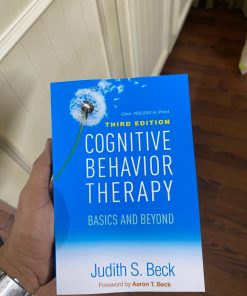
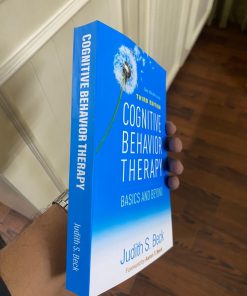
For decades, hundreds of thousands of clinicians and graduate students have turned to Cognitive Behavior Therapy: Basics and Beyond by Judith S. Beck as a foundational guide to learning and practicing cognitive behavior therapy (CBT). Now extensively updated, this third edition features more than 50% new content, reflecting advances in research and clinical practice while preserving the clear, practical approach that made earlier editions essential reading.
A Practical Guide to Learning CBT
In this comprehensive text, Judith S. Beck provides step-by-step instruction on how to effectively deliver CBT. Readers learn how to build a strong therapeutic alliance, engage clients collaboratively, and create accurate case conceptualizations that guide treatment. The book explains how to structure therapy sessions, set goals, and design individualized treatment plans tailored to each client’s needs.
Core cognitive, behavioral, and experiential techniques are presented in a clear, accessible manner. Through detailed examples, Beck demonstrates how therapists can help clients identify and modify unhelpful thinking patterns, test beliefs, and develop healthier coping strategies. The book also addresses common challenges therapists face and offers practical solutions to overcome them.
Real-World Case Examples
To illustrate CBT in action, the book follows extended case studies of two clients: one experiencing severe depression and another struggling with depression, anxiety, and borderline personality traits. These in-depth examples show how skilled therapists apply CBT techniques over time, adapt strategies to complex presentations, and troubleshoot obstacles that arise during treatment.
What’s New in the Third Edition
This edition introduces several important updates. A new chapter focuses on strengthening the therapeutic relationship, while another explores how to integrate mindfulness into CBT practice. The book also presents recovery-oriented cognitive therapy (CT-R), an approach that emphasizes clients’ values, aspirations, resilience, and positive growth alongside traditional CBT strategies.
Additionally, new case examples highlight work with clients facing more complex mental health challenges. The text demonstrates how CBT can be effectively combined with methods from other evidence-based approaches, including acceptance and commitment therapy (ACT), dialectical behavior therapy (DBT), and mindfulness-based cognitive therapy (MBCT).
Enhanced Learning Tools and Companion Resources
Designed with students and practitioners in mind, the book includes clinical tips, reflection questions, and practice exercises to reinforce learning. A companion website offers downloadable worksheets and session videos to support skill development.
For readers interested in CT-R specifically, see Recovery-Oriented Cognitive Therapy for Serious Mental Health Conditions by Aaron T. Beck and colleagues, which provides an authoritative overview of this innovative approach.


Reviews
There are no reviews yet.