


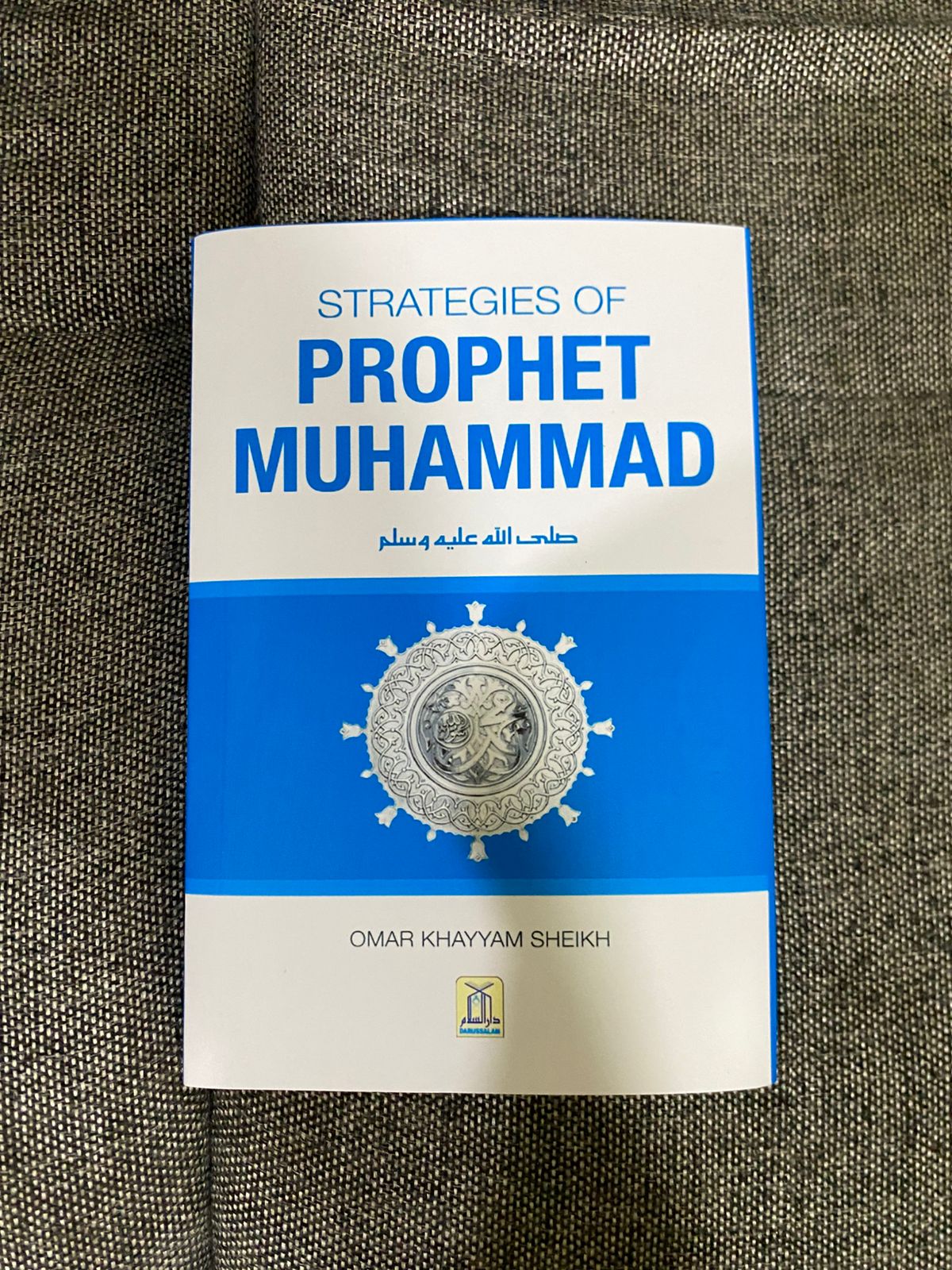
Strategies of Prophet Muhammad (S)
₨1,450.00
The Life of Prophet Muhammad (S)
A Transformative Figure in History
The life of Muhammad remains one of the most influential subjects in world history. His impact reached far beyond religion. He changed the social, political, and moral direction of Arabia. His teachings later spread across continents and shaped civilizations for centuries.
Before his mission, Arabian society was deeply divided. Tribes often fought long and violent wars. Loyalty to clan and tribe was stronger than loyalty to justice or peace. Social inequality was common. Women and the poor had few rights. In this environment, Muhammad (S) introduced a message centered on unity, morality, compassion, and accountability before God.
Building Unity Among Tribes
One of Muhammad’s greatest achievements was uniting the tribes of Arabia. This was not an easy task. The tribes had long histories of rivalry and revenge. Through patience, diplomacy, and leadership, he created bonds stronger than tribal identity. He taught that all believers were equal regardless of race, wealth, or status.
His leadership in Hijrah marked a turning point. In Medina, he established a community based on cooperation and shared responsibility. Different tribes and religious groups lived under agreements that promoted peace and mutual respect. This helped create stability in a previously fragmented society.
A Lasting Moral Example
Muhammad (S) was admired not only as a leader but also as a person of strong character. Even before prophethood, he was known for honesty and trustworthiness. His daily behavior became a model for Muslims. They studied how he spoke, treated others, ate, prayed, and solved conflicts.
Today, Muslims across the world try to follow his example in their daily lives. His teachings influence family life, charity, business ethics, education, and spirituality. For many believers, he represents the ideal balance between faith, kindness, discipline, and justice.
Global Influence of Islam
More than 1.6 billion Muslims now live around the world. Islam continues to grow rapidly in many regions. Several demographic studies suggest that Islam may become the world’s largest religion by 2050. This growth is connected not only to population trends but also to the enduring influence of Muhammad’s message.
The strategies he used were practical and effective. He focused on education, social justice, community building, and moral reform. He inspired loyalty through compassion rather than force. His ability to transform a divided society into a united nation remains one of the most remarkable achievements in human history.
Conclusion
The life of Muhammad (S) offers valuable lessons for intelligent and curious minds. His leadership changed the course of history. His teachings continue to guide millions of people today. Even after 1400 years, his influence remains powerful across the world.
Only logged in customers who have purchased this product may leave a review.
Reviews
There are no reviews yet.